






Used Excavator Shipped Abroad: A Milestone in Cross-Border Trade
Release time: 2026-04-22
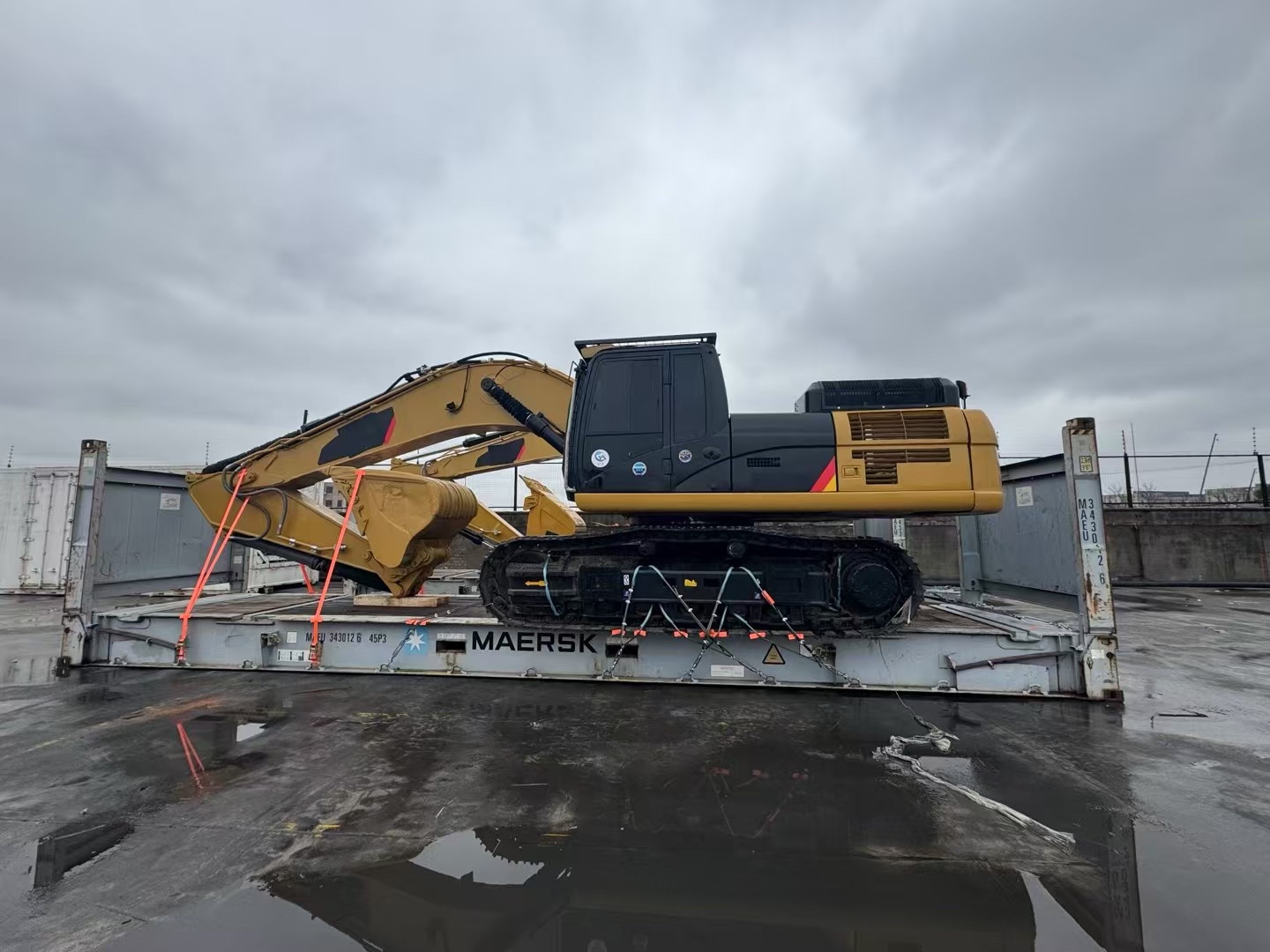
Under an overcast sky, a yellow used excavator stands securely fastened on a flat - rack shipping container marked “MAERSK” at a logistics terminal, awaiting its journey across the ocean. This scene marks a key step in the cross - border trade of used construction machinery, as the equipment is prepared for shipment to international destinations.
The excavator, with its robust crawler tracks and articulated boom, has completed all pre - shipment procedures—from quality inspections to packaging and lashing. Workers have reinforced the machinery to withstand maritime transport, using orange straps and steel chains to ensure stability during transit. The wet tarmac, dotted with puddles reflecting the gray clouds, underscores the meticulous preparation that goes into moving heavy equipment in challenging weather conditions.
This shipment is part of a growing trend in the global used machinery market, where businesses seek cost - effective, reliable equipment for infrastructure projects, mining operations, or urban development. Used excavators, valued for their durability and lower acquisition costs compared to new models, are increasingly sought after in regions with booming construction sectors, such as Southeast Asia, Africa, and the Middle East.
For the logistics provider, this cargo represents a blend of expertise in heavy - haulage and international freight management. Coordinating the transport of oversized machinery requires precise planning: from arranging specialized carriers to navigating customs regulations and ensuring compliance with safety standards across borders. The MAERSK - branded container, a symbol of global supply chain reliability, further assures that the excavator will reach its destination in optimal condition.
As the world continues to invest in infrastructure, the demand for pre - owned construction equipment is set to rise. This shipment not only fulfills a client’s need for efficient machinery procurement but also highlights the resilience of cross - border trade, even in the face of logistical complexities and variable weather. Once loaded onto the vessel, the excavator will embark on a voyage that connects manufacturing hubs, export terminals, and ultimately, job sites where it will contribute to building roads, bridges, or commercial structures—powering economic growth far from its origin.
In the end, this moment captures the intersection of industry, trade, and technology: a used machine, reborn for new tasks, traversing oceans to fuel development worldwide.